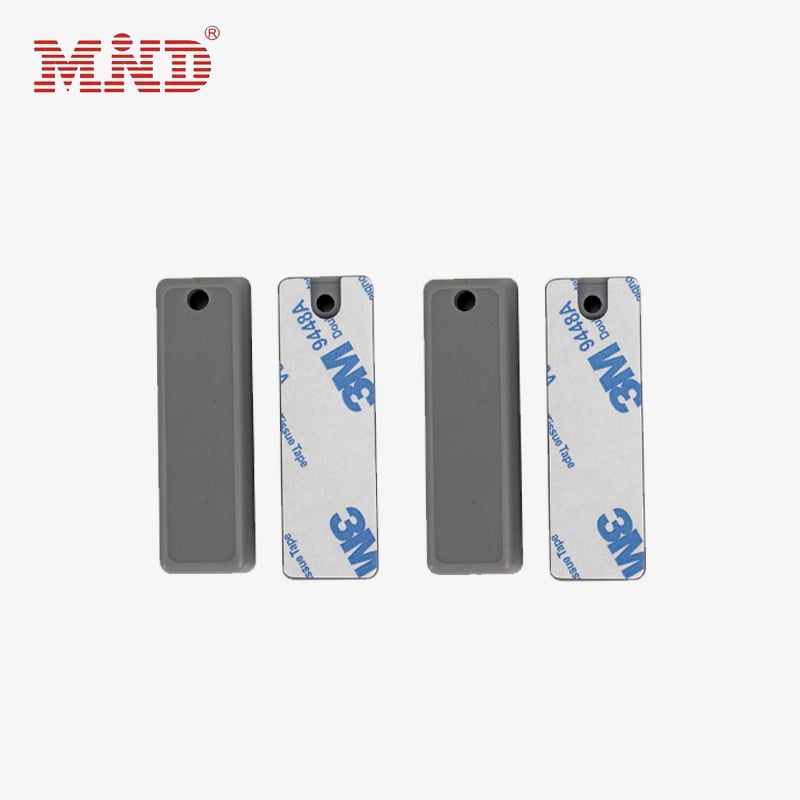
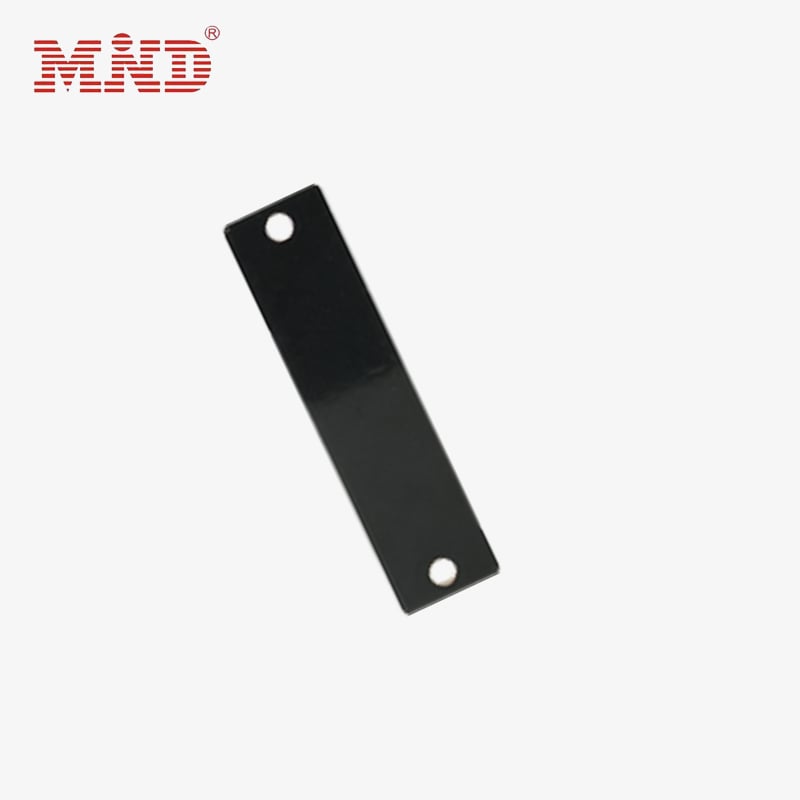
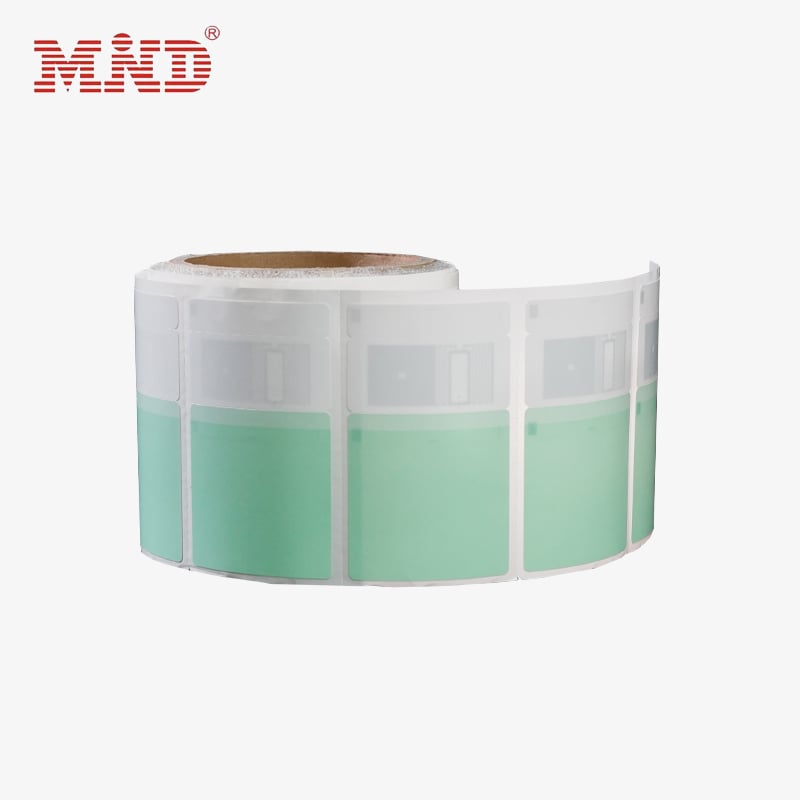
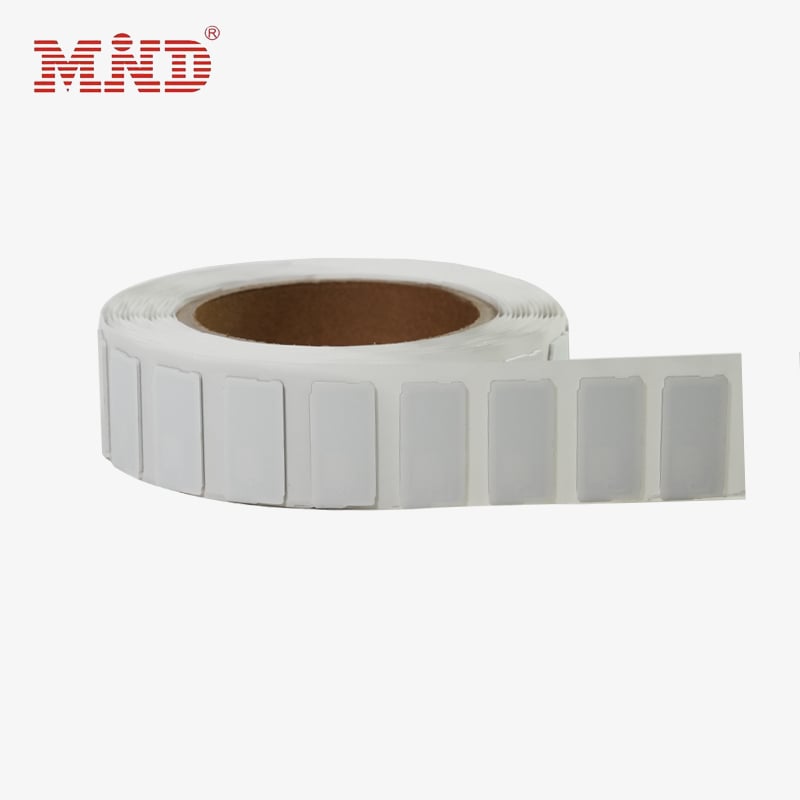
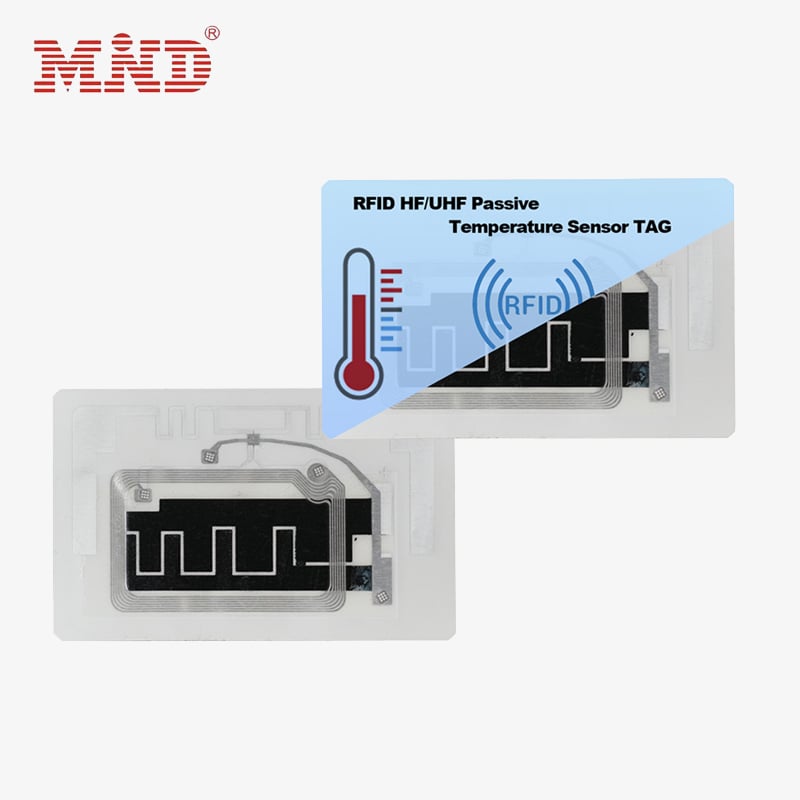
RFID chips are pivotal in revolutionizing medical asset tracking by linking equipment to databases for real-time monitoring and management. These chips facilitate swift scanning and identification of medical devices, which dramatically minimizes manual errors—a common issue cited in healthcare settings. For example, when a piece of equipment is needed, staff can quickly locate it without wasting time searching through multiple departments. This real-time tracking capability helps healthcare facilities adhere to stringent regulations by ensuring precise inventory management and compliance with safety standards. The integration of RFID technology thus enhances operational efficiency and diminishes the likelihood of equipment misplacement or loss, ultimately fostering a more synchronized and reliable healthcare environment.
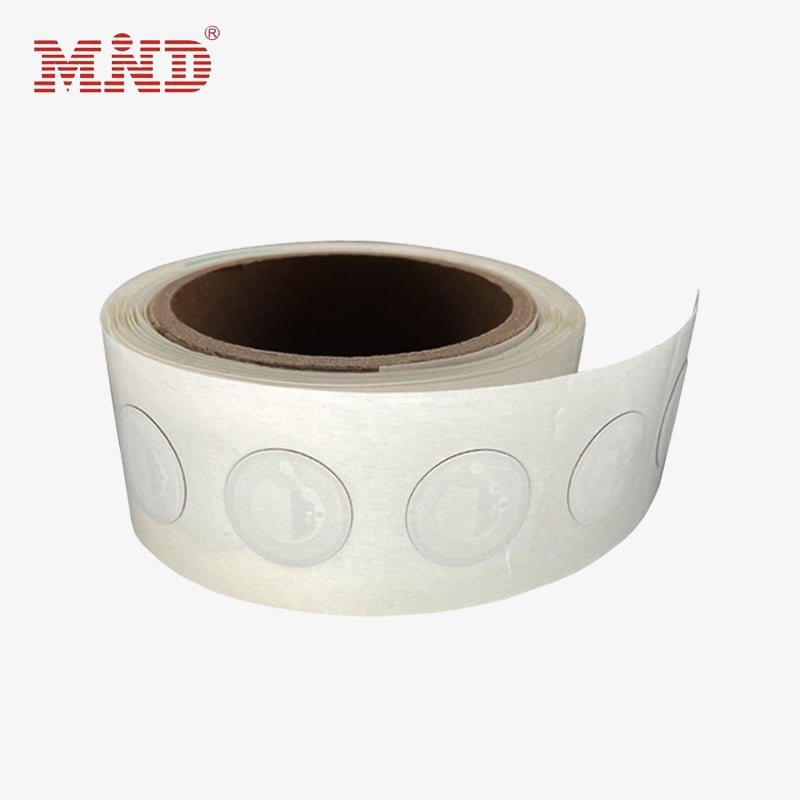
NFC stickers offer an innovative solution to tracking assets that are hard to access or traditionally require manual interventions. These stickers enable the exchange of information without needing a direct line of sight, thereby addressing a critical limitation of conventional RFID tags. This capability is especially beneficial in bustling healthcare environments, such as busy operating rooms or crowded emergency departments, where visibility can be obstructed by medical personnel or equipment. By streamlining data collection processes, NFC stickers enhance operational efficiency and reliability, allowing medical staff to seamlessly track assets in challenging environments. This technology not only enhances the usability of RFID systems but also ensures that crucial medical supplies are readily available when needed, thus contributing to improved patient safety and care quality.
RFID tags drastically enhance inventory accuracy by curtailing errors linked to manual stocktaking, which is a significant boon in healthcare settings. Studies show that facilities adopting RFID technology report over 95% accuracy in inventory metrics, a significant improvement over traditional methods. This accuracy is crucial for ensuring that necessary medical supplies are always available and minimizes waste from overstocked or outdated inventory. Automated inventory tracking provides real-time updates, enabling healthcare administrators to make informed decisions regarding restocking and managing stock levels efficiently.
Real-time tracking of patients and equipment through RFID technology guarantees immediate access to critical information, thereby significantly enhancing patient safety. Healthcare facilities have reported marked improvements in patient care outcomes after implementing RFID systems. This technology ensures that medical personnel can swiftly locate and utilize the correct equipment, reducing the risks of misplaced or incorrect devices. Efficient management of resources and assets minimizes the potential dangers associated with human errors in high-pressure medical environments.
RFID systems streamline numerous processes in healthcare, resulting in notable cost savings in both labor and time. Hospitals that have integrated RFID solutions into their operations report reductions in operational costs by up to 30% over time. The automation of inventory and asset management allows staff to focus more on patient care than manual tasks, thereby increasing overall productivity. This shift not only enhances the quality of care provided but also ensures that resources are allocated more effectively, yielding long-term financial benefits.
These key benefits underscore how RFID technology is a transformative tool in healthcare, optimizing both operations and patient experiences.
The UHF RFID Optical Disc Dry Inlay MiΦ27_Higgs9 is engineered to perform exceptionally well in the challenging conditions of medical environments. This advanced RFID technology is designed to maintain reliability even amidst the high electromagnetic interference typically found in hospital settings. Such robust functionality ensures that critical healthcare operations reliant on RFID remain uninterrupted. The MiΦ27_Higgs9's durability and efficiency make it an apt choice for various healthcare applications where precision and consistency are paramount.
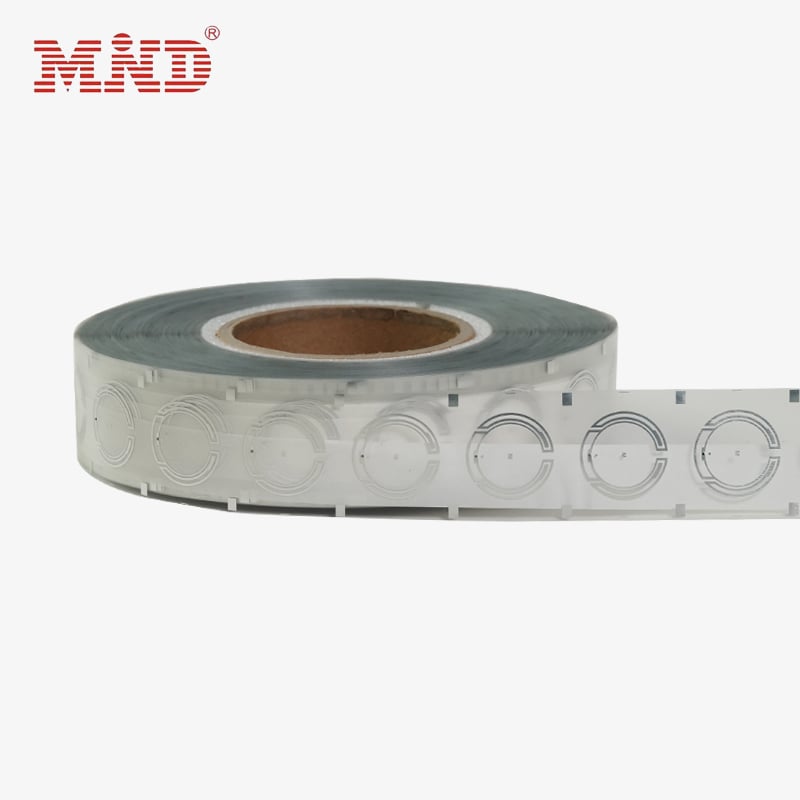
Utilizing RFID inventory tags is crucial in healthcare for tracking specimens and equipment accurately. These tags help ensure that every specimen is accounted for, thereby minimizing errors that could arise from mishandling. In hospitals, the use of such tracking systems has led to fewer instances of misplaced items, translating into enhanced operational efficiency and improved patient diagnostics. By integrating RFID tags into their systems, healthcare facilities can better manage their resources and reduce the risk of critical errors.
The MiΦ27_Higgs9 RFID technology is specifically tailored to meet the stringent sterilization protocols required in healthcare settings. Its design is robust enough to withstand high temperatures and exposure to cleaning chemicals, ensuring it remains effective when used with surgical tools and other medical instruments. This compatibility with sterilization processes is vital for infection control, allowing healthcare facilities to maintain high standards of hygiene and safety, ultimately protecting patient health and ensuring regulatory compliance.
Integrating RFID labels in medical facilities involves a strategic approach to ensure seamless functionality and efficiency. Initially, it is crucial to carry out a comprehensive needs assessment to identify the specific assets that require tracking. This step helps in understanding the unique tracking requirements of different departments within a medical facility. Following the assessment, planning the layout of RFID readers is essential. This involves determining optimal locations for tag applications, which is critical for achieving accurate data capture and minimizing blind spots. An effective roll-out strategy should include piloting the RFID technology in a selected area. This allows facilities to refine processes and troubleshoot any potential issues before a full-scale implementation, ensuring a smoother transition and integration across the entire facility.
To maximize the benefits of RFID technology in healthcare, comprehensive training programs for staff are paramount. These training sessions must cover the functionalities of the RFID systems, helping staff understand how to use the technology effectively. Additionally, equipping staff with troubleshooting skills for common issues ensures minimal disruptions and fosters confidence in using the system. Successful training also emphasizes strong staff engagement, which is critical for the adoption and seamless implementation of RFID solutions. Engaged staff are more likely to embrace the technology and apply it effectively in their day-to-day operations, ultimately improving the overall efficiency and service quality in healthcare facilities.
In the realm of healthcare, UHF RFID technology has become a vital tool for tracking blood bags, resulting in significantly reduced wastage rates. Hospitals have reported impressive improvements in their blood inventory management since adopting this technology. For instance, a study published in a renowned healthcare journal documented a remarkable decrease in blood bag retrieval times, which directly led to better patient outcomes. This success highlights the potential of UHF RFID to revolutionize healthcare practices by ensuring the right resources are available swiftly when needed. With the ability to read from a greater distance and handle multiple tags simultaneously, UHF RFID is proving to be an efficient and reliable solution for medical facilities worldwide.
RFID technology has also transformed the management of surgical instruments, enabling healthcare facilities to streamline their processes effectively. Reports from various facilities indicate a noticeable reduction in turnaround times for instrument sterilization and reassembly, which are crucial for boosting operational efficiency. Case studies show that optimized management of surgical tools has had a significant positive impact on surgical procedures and, consequently, on patient outcomes. By leveraging RFID technology, hospitals are not only enhancing their operational workflows but also ensuring that instruments are correctly tracked, sterilized, and available when necessary. This advancement underscores the profound influence RFID technology can have on improving healthcare operations and patient care quality.
 Hot News
2024-05-15
2024-05-15
2024-05-15
2024-05-15

Copyright © © Copyright 2024 Chengdu Mind Iot Technology Co., Ltd. All Rights Reserved Privacy policy
 EN
EN