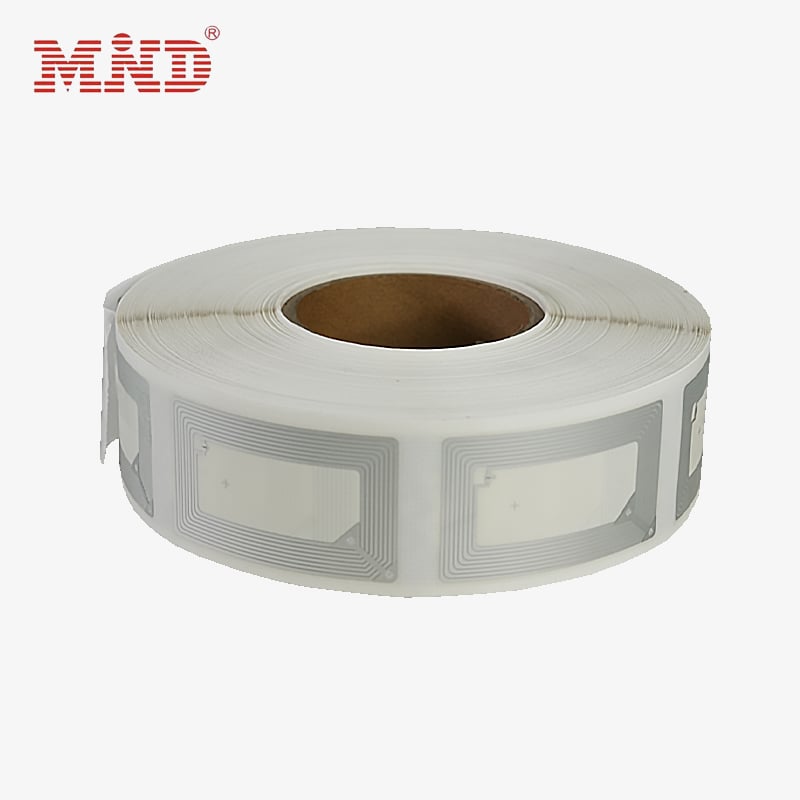
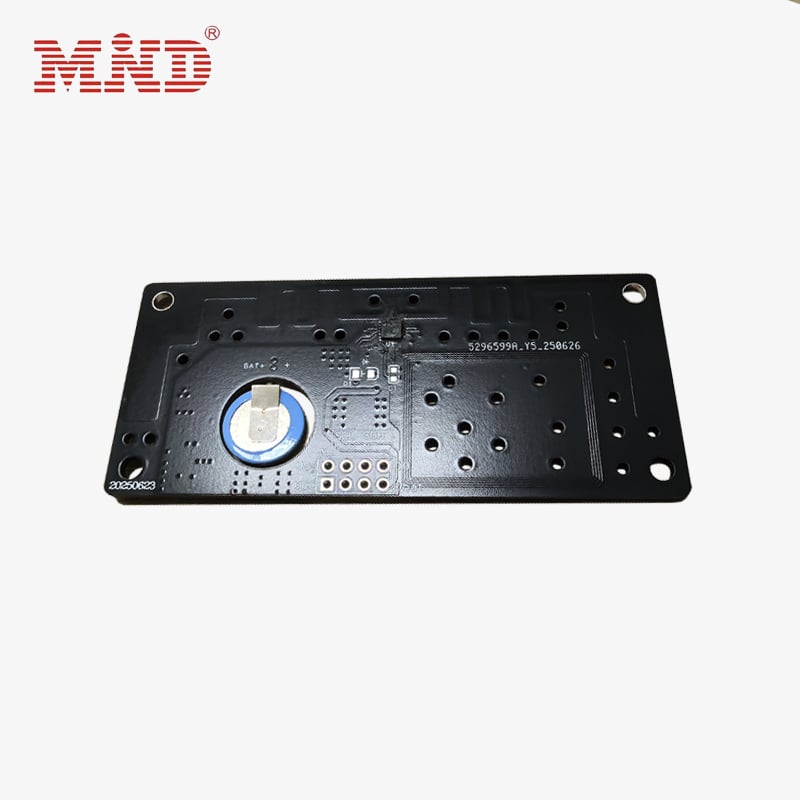
The environmental impact of RFID tags is a growing concern, driving innovations in biodegradable substrates. Materials like Polylactic Acid (PLA) and Polyhydroxyalkanoates (PHA), both derived from renewable resources, are ideal for this purpose. Companies such as The RFID Company are at the forefront, creating biodegradable RFID labels using a Direct On Paper (DOP) printing technique, eliminating plastic components and minimizing environmental harm. Scientific studies emphasize the faster decomposition rates of these materials compared to traditional options. For instance, PLA and PHA biodegrade significantly faster than conventional plastics, offering a sustainable alternative in various industries—from inventory tracking to event ticketing. Their commitment to sustainability is setting a new standard in RFID technology, aligning well with global environmental regulations.
Advancements in recyclable antenna designs are paving the way toward more sustainable RFID solutions. These designs utilize eco-friendly materials and innovative techniques to reduce environmental impact significantly. Companies have successfully implemented recyclable antennas, as evidenced by case studies showing positive outcomes for both the environment and business practices. For instance, the recycling of RFID antennas has proven effective in reducing landfill waste, with potential savings reaching substantial amounts over time. By focusing on recyclable designs, businesses can align their operations with ecological sustainability while still enjoying the benefits of RFID technology.
Adopting low-impact manufacturing processes in RFID tag production is gaining momentum as companies strive to reduce their carbon footprint. These processes focus on minimizing energy consumption and employing eco-friendly materials during production. Metrics indicate that adopting such methods can significantly lower energy usage, positively impacting the environment and reducing production costs. Companies practicing sustainable manufacturing experience tangible benefits, including improved efficiency and enhanced brand reputation. By committing to low-impact processes, businesses not only comply with stringent environmental standards but also support a greener future in RFID tag production.
Sustainable RFID solutions play a crucial role in minimizing electronic waste (e-waste) across supply chains. As companies strive to align with circular economy principles, the ability of RFID tags to provide precise inventory monitoring helps prevent overstock and waste, reducing the burden on landfills. According to Checkpoint Systems, implementing RFID technology can cut food waste in grocery retail processes by up to 60%. By incorporating RFID tags in various aspects of supply chains, companies can effectively lower the volume of e-waste generated annually. Industry experts highlight that the long-term benefits of reducing e-waste via RFID extend beyond environmental advantages, contributing to improved operational efficiency and cost savings.
Energy-efficient RFID tracking solutions are becoming increasingly vital as they offer significant advantages over traditional RFID systems. These sustainable alternatives optimize energy consumption, subsequently reducing the environmental impact of logistics and inventory management. Recent studies have quantified the energy savings achievable through energy-efficient RFID systems, emphasizing their importance in modern supply chain practices. By reducing energy usage, companies not only lower operational costs but also contribute to broader sustainability goals. Experts in the field underscore the growing significance of energy efficiency in technology investments, advocating for the adoption of such eco-friendly systems to future-proof business operations.
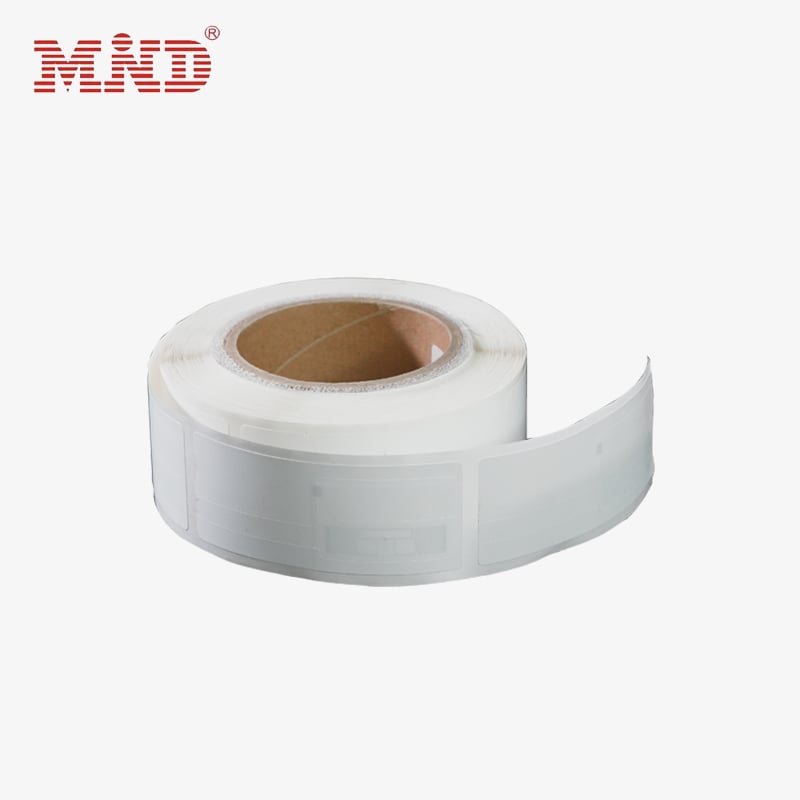
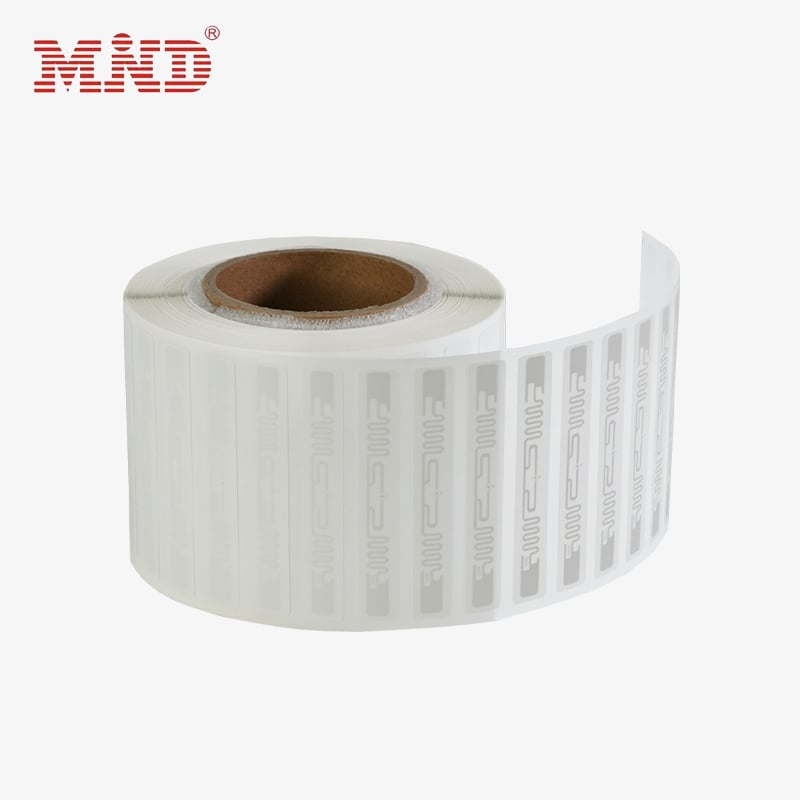
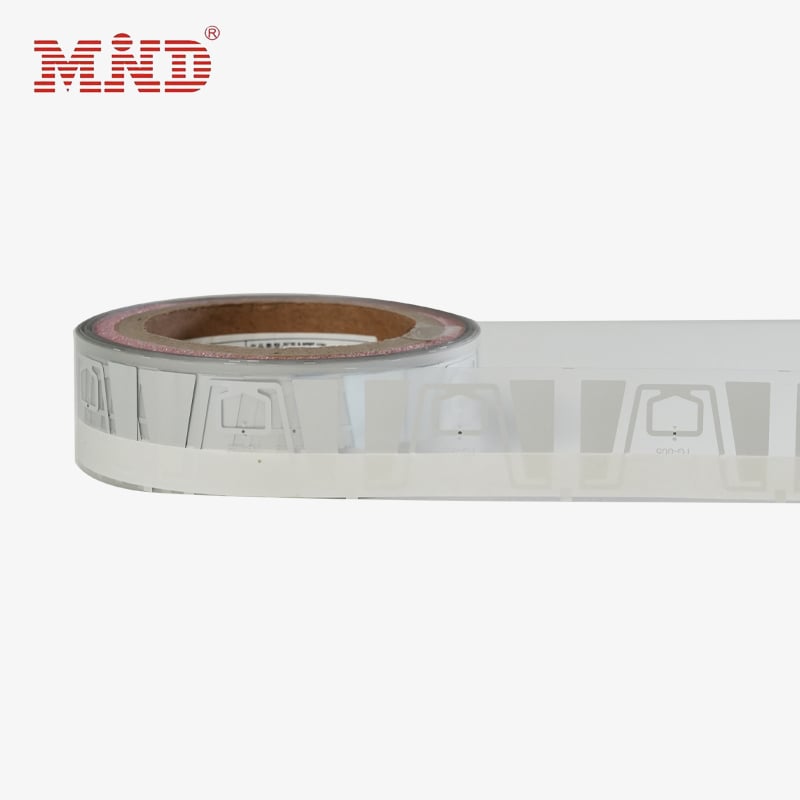
The NXP UCODE® 8 and 9 chips embedded in the UHF RFID Label Mi7014 are a game-changer in striving for sustainability. These chips offer superior performance by enabling smaller inlay designs due to their enhanced chip capabilities, making them particularly suitable for sustainable applications. Traditionally, RFID chips may underperform in diverse settings; however, the NXP UCODE® chips boast higher reading speeds and volumes, ideal for fast-paced supply chain environments. Case studies indicate that retail and logistics companies utilizing these chips have witnessed substantial improvements in operational efficiency, echoing the transformative potential of RFID technology in sustainable practices.
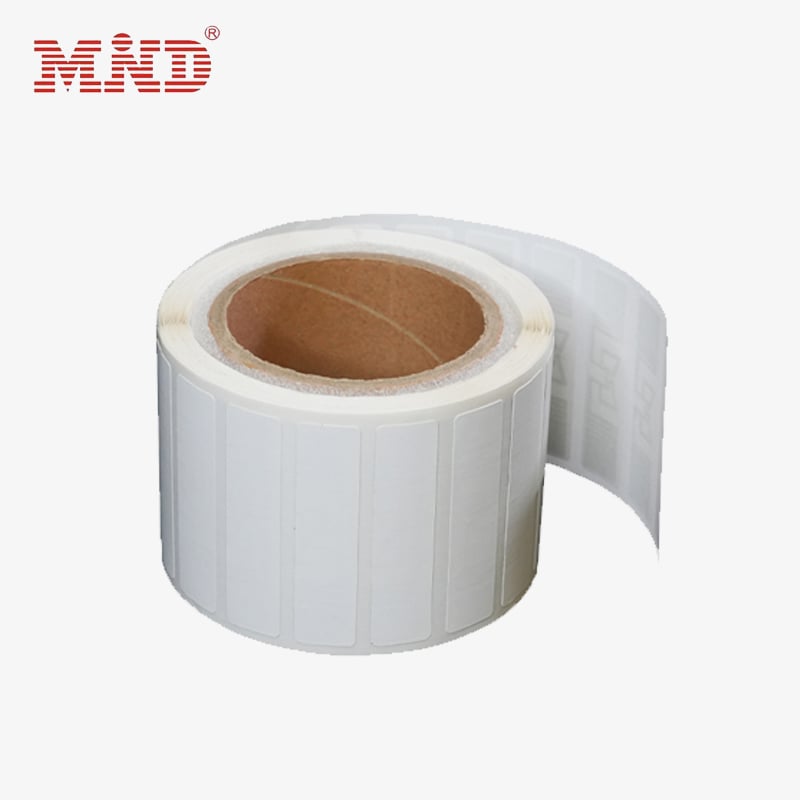
The UHF RFID Label Mi7014 shines in its ability to be applied across various surfaces, enhancing versatility in myriad environments. Its effective usage spans wood, plastic, cardboard, rubber, cotton tissue, and denim, demonstrating remarkable adaptability within complex supply chains. Companies have reported successful application in apparel, logistics, and asset management scenarios, underpinning operational efficacy. User testimonials reflect positive experiences, including notable improvements in tracking reliability and supply chain fluidity, attributing such outcomes to the label’s adaptable nature and consistent performance under varying conditions.
The employment of Mi7014 RFID labels has led to impressive efficiency gains in enterprise-level tracking. These labels have contributed to substantial improvements in inventory accuracy and tracking speed, elevating operational standards within businesses. Statistical evidence shows increased precision in asset tracking and inventory management, fostering an environment of enhanced operational control. Experts in the field have commented that these improvements not only confer competitive advantages but also align with strategic objectives centering on sustainability and technological progression. Such insights underscore the invaluable role that RFID technology plays in advancing enterprise efficiency.
In summary, the UHF RFID Label Mi7014 exemplifies how advanced technology and sustainability can go hand in hand, offering numerous benefits across diverse applications. Its powerful chip performance, versatile application capability, and ability to enhance tracking efficiency make it a valuable asset for businesses looking to optimize their operations sustainably.
In retail inventory management, green RFID technology has become a cornerstone for sustainable practices. Retailers are leveraging RFID technology to streamline inventory processes while reducing their carbon footprint. For instance, companies like Wal-Mart and Tesco have successfully implemented RFID systems to track inventory, resulting in significant reductions in waste. RFID minimizes discrepancies in inventory counts by providing real-time data and enhancing accuracy. According to studies, stores using RFID see up to a 25% reduction in inventory discrepancies, making it a vital component of sustainable retail.
Retailers are increasingly shifting towards eco-conscious operations, and RFID plays a pivotal role in this transformation. By improving inventory management efficiency, retailers can lower excess stock and, consequently, minimize waste produced. This not only aligns with sustainable practices but also enhances operational efficiency. Furthermore, RFID's ability to provide detailed insights into merchandise movement contributes to maintaining optimal inventory levels, supporting sustainable supply chain practices.
RFID technology significantly enhances logistics tracking while maintaining a focus on eco-friendliness. Its ability to streamline the tracking process reduces fuel consumption by optimizing route planning and minimizing the need for manual checks. For example, logistics companies have reported up to a 20% increase in fuel efficiency by adopting RFID tracking systems, which optimizes vehicle routes and reduces idle times.
Logistics companies integrating green technologies like RFID witness marked improvements in resource management. These advancements lead to enhanced logistics efficiency, translating into reduced operational costs and environmental impact. Insights from industry leaders highlight the importance of eco-conscious logistics solutions in achieving broader sustainability goals. This reflects a growing trend towards adopting RFID technology in logistics to foster an eco-friendly supply chain that meets both economic and environmental objectives.
The evolution of chipless RFID technology promises significant advancements in sustainability. Unlike traditional RFID systems that rely on silicon-based chips, chipless RFID uses materials like polymers and conductive inks, which are more environmentally friendly. This approach could drastically reduce electronic waste, making this technology more appealing to industries looking to minimize their carbon footprint. Experts predict that chipless RFID can revolutionize various sectors by offering cost-effective solutions while enhancing traceability. A study has shown that using chipless RFID in logistics has the potential to cut down electronic waste by up to 20% compared to conventional systems, emphasizing its environmental advantages. As industries move towards more sustainable practices, the adoption of chipless RFID is expected to accelerate, opening doors to broad applications across retail, healthcare, and more.
The integration of RFID technology into circular economy models can transform how businesses approach sustainability. RFID enables detailed tracking of product lifecycles, supporting recycling and resource efficiency. For example, in the textile industry, RFID tags are used to monitor garment recycling, ensuring materials are reintroduced into production processes. This approach not only minimizes waste but also conserves resources, aligning with circular economy principles. Moreover, experts in sustainability believe that RFIDs will play a crucial role in future business models by enabling closed-loop systems. Case studies from sectors like automotive and electronics demonstrate successful RFID implementations, where resource recovery and waste reduction were significantly improved. As we strive for more sustainable business practices, RFID's role in supporting circular economy models becomes increasingly pivotal.
By aligning RFID technologies with circular economy principles, businesses can enhance sustainability efforts, making product lifecycle transparency and resource conservation attainable objectives.
 Hot News
2024-05-15
2024-05-15
2024-05-15
2024-05-15

Copyright © © Copyright 2024 Chengdu Mind Iot Technology Co., Ltd. All Rights Reserved Privacy policy
 EN
EN