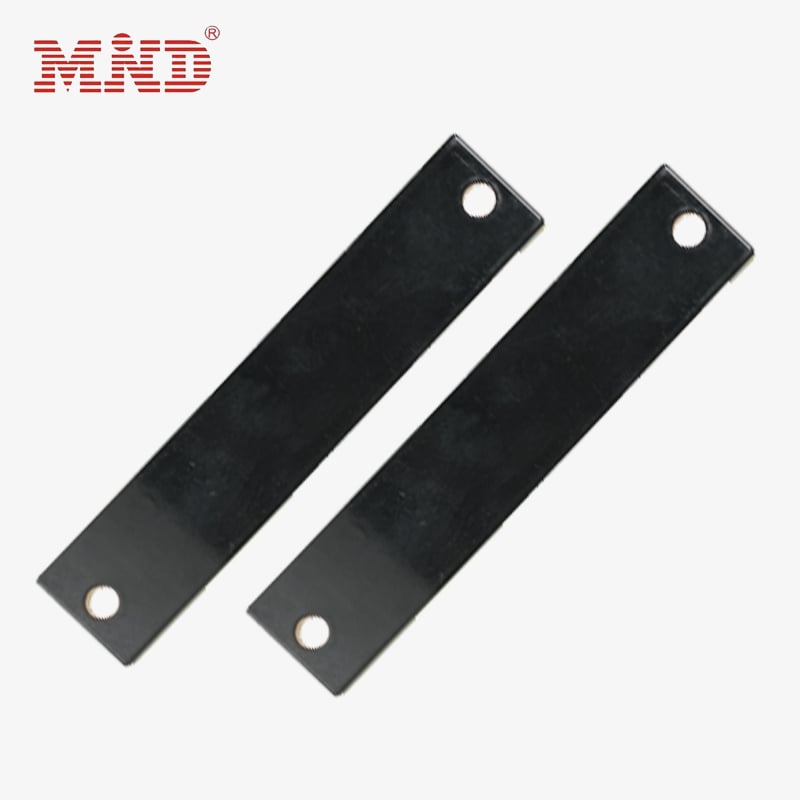
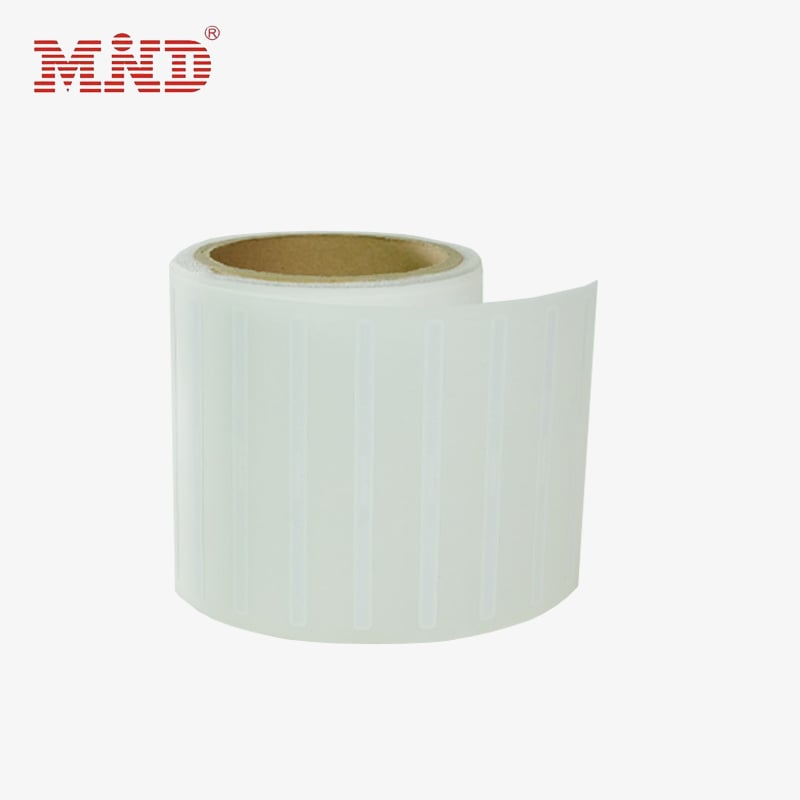
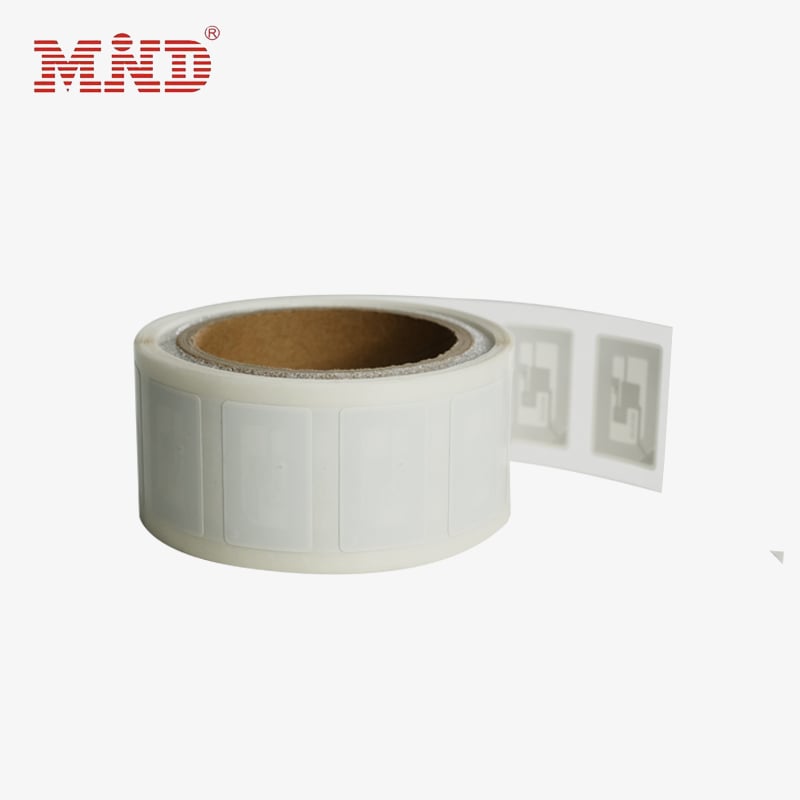
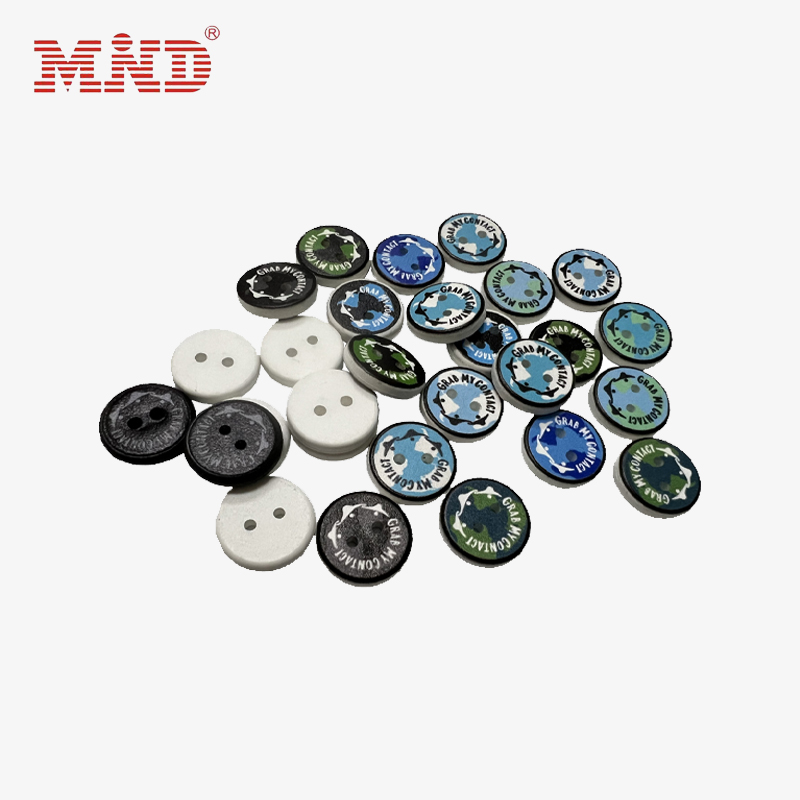
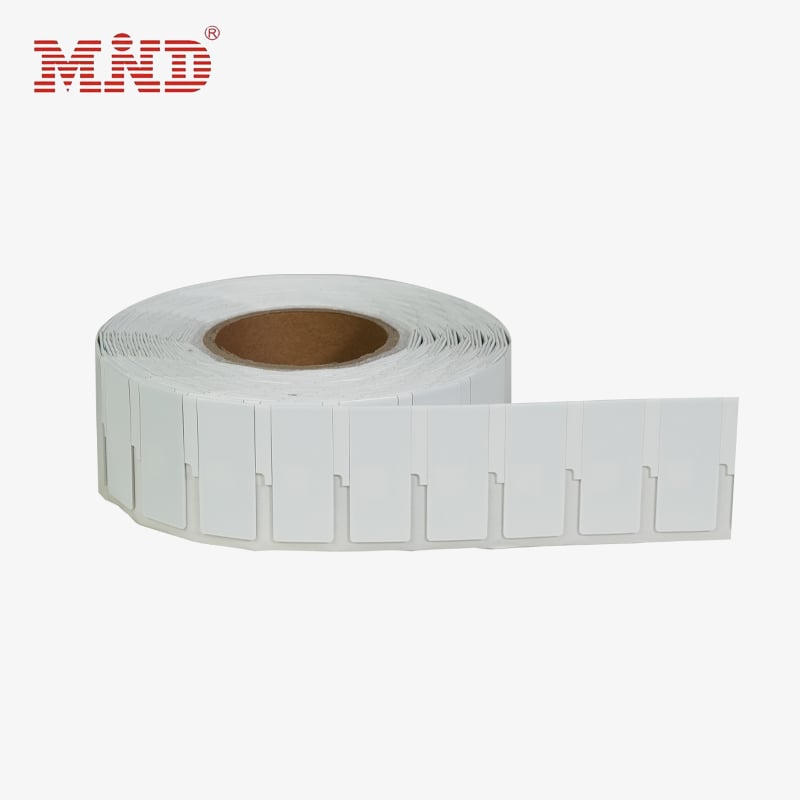
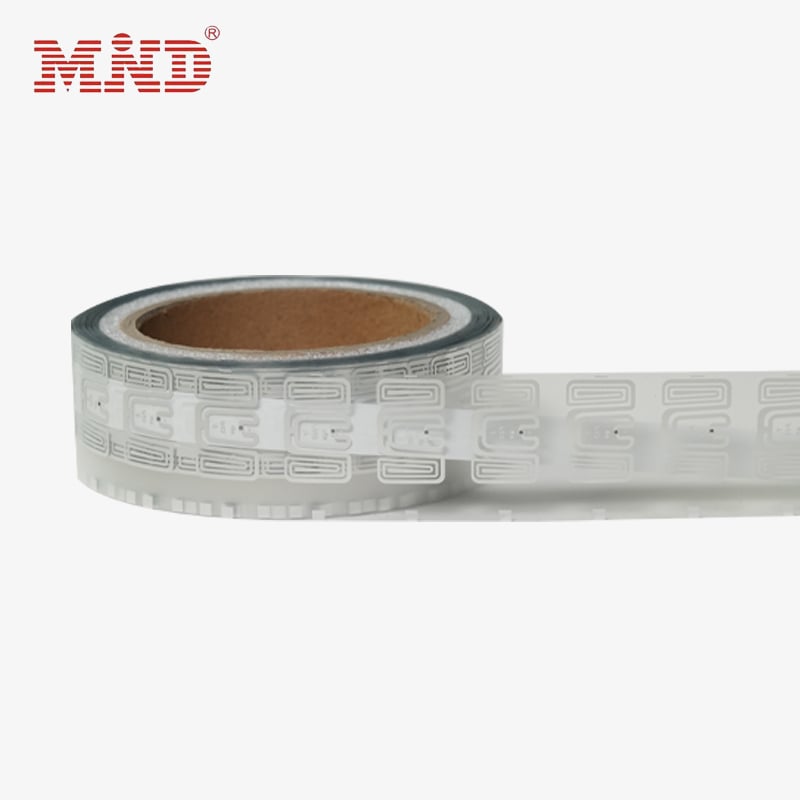
RFID systems are foundational to modern asset management, consisting of three primary components: tags, readers, and antennas. RFID tags, including RFID labels, contain embedded chips that store data and emit signals. The readers capture these signals, turning them into actionable data for better asset management. Antennas play a crucial role in facilitating communication between RFID tags and readers, boosting data transmission efficiency and coverage. By enhancing connectivity and automation, these components streamline the asset management process, ensuring data is accurately captured and utilized effectively.
Dual-frequency RFID tags provide versatility by operating on both HF (High Frequency) and UHF (Ultra High Frequency), catering to various applications. HF RFID tags are typically used for secure access controls due to their close-range capabilities. In contrast, UHF tags offer broader coverage, making them ideal for inventory management scenarios. Understanding these frequencies and their respective operational ranges is crucial for maximizing asset tracking efficiency, providing a diverse solution to meet different asset management needs.
RFID technology stands out with its compatibility with NFC and IoT ecosystems. Integrating RFID systems with NFC-enabled devices allows for enhanced user interaction, simplifying data access and exchange. Moreover, RFID's interoperability with IoT ecosystems facilitates real-time data exchange and improved monitoring. This seamless integration not only boosts operational efficiency but also paves the way for innovative asset management applications, enhancing both security and data analytics in real-time.## Key Benefits of RFID-Driven Asset Tracking
RFID technology provides unparalleled real-time visibility into inventory levels, thereby minimizing human errors and enabling smarter decision-making. According to research, companies employing RFID can reduce stock discrepancies by up to 30%, significantly boosting operational efficiency. This immediate asset tracking capability helps businesses maintain optimal stock levels, enhancing customer satisfaction by preventing stockouts and ensuring timely fulfillment of orders.
Implementing RFID systems leads to significant cost reductions by automating manual inventory management processes. Businesses can save as much as 50% in labor costs through automated data capture with RFID technology. Additionally, the decrease in shrinkage and improved loss prevention directly contribute to financial savings, which ultimately boosts the bottom line. By reducing reliance on manual interventions, companies enhance productivity and efficiency.
ISO compliance in RFID applications greatly enhances security by establishing standardized processes for data handling and integrity. Organizations adopting RFID systems that adhere to ISO standards can better prevent costly data breaches and protect sensitive information. Moreover, through demonstrating commitment to security, companies using ISO-compliant RFID technology can build trust with stakeholders and assure them of strong data protection measures.## Industry Applications of RFID Label Technology
RFID labels are transforming the manufacturing sector by streamlining processes and enhancing inventory accuracy. They automate the visibility of parts and components, which boosts productivity and significantly reduces waste. A notable study found that manufacturers utilizing RFID technology experienced a 40% improvement in operational efficiency. This powerful improvement underscores the value of RFID applications in optimizing manufacturing processes, enabling businesses to achieve better workflow and resource management. By integrating RFID systems, manufacturers can keep a real-time track of their inventory, minimizing errors and ensuring that production lines are well-supplied without excess inventory.
In healthcare, the importance of properly tracking medical equipment cannot be overstated, and RFID label technology plays a crucial role in this task. By ensuring that critical devices are always available when needed, RFID technology helps prevent equipment shortages and ensures optimal asset utilization. Studies have shown that hospitals implementing RFID tracking systems can reduce equipment loss by up to 40%, leading to improved patient care and overall operational efficiency. RFID's ability to keep accurate and real-time records makes it indispensable for maintaining seamless healthcare operations, thus directly impacting the quality of patient care delivered.
The integration of RFID labeling systems in logistics and supply chains revolutionizes shipping processes by enabling real-time shipment tracking and reducing lead times. This technology facilitates critical data collection, which aids in more accurate forecasting and inventory management, ultimately boosting shipping efficiency. A strategic use of RFID in logistics can lead to cost reductions of up to 20%, significantly enhancing the bottom line for companies. By automating and accurately monitoring supply chain operations, businesses can anticipate demand fluctuations and adjust accordingly, ensuring smoother and more cost-effective logistics management.## HF/UHF Dual-Frequency RFID Solutions
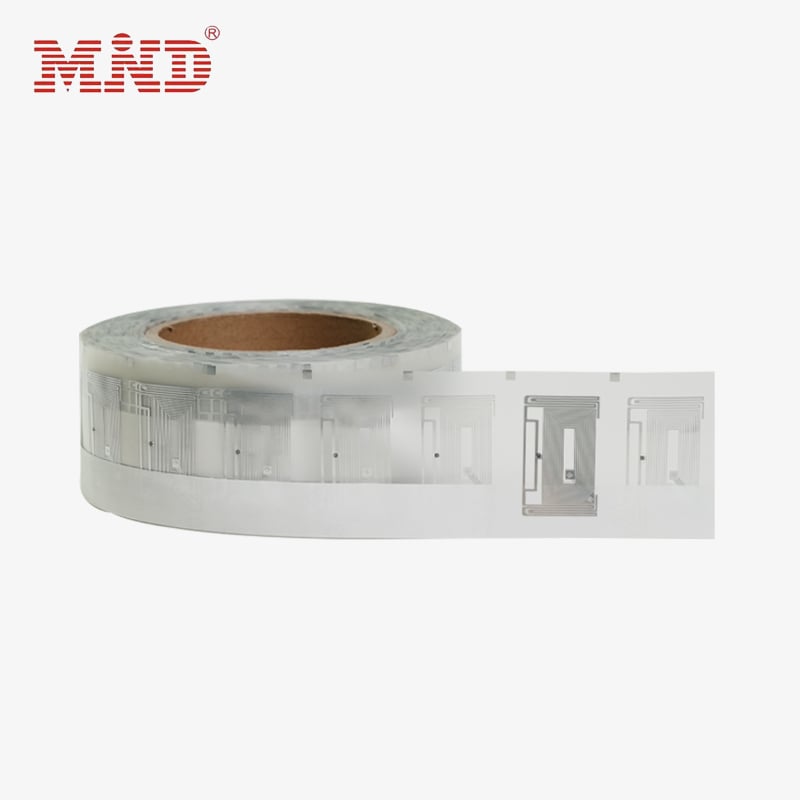
The 2338_Qstar-6SSB-M002 inlay tag is a versatile solution designed to cater to a variety of applications ranging from retail environments to asset tracking, due to its compact design and dual-frequency functionality. This tag uniquely integrates both High Frequency (HF) and Ultra High Frequency (UHF) capabilities, making it suitable for different environments and use cases that require varying read ranges and data transmission capabilities. Its robust specifications include a flexible operation mode, providing an efficient read distance of up to 10 meters in optimal conditions. Additionally, the 2338_Qstar-6SSB-M002 inlay tag offers extensive data storage capabilities with EPC Memory ranging from 96 to 496 bits, available in different chip types, including HF and UHF.
To effectively leverage dual-frequency RFID technologies like the 2338_Qstar-6SSB-M002 in various sectors, adopting cross-industry strategies is essential. Businesses should first identify the unique operational needs of their industry to tailor the RFID solutions accordingly. For instance, while retail sectors might prioritize inventory management with RFID tags, healthcare systems may focus on tracking valuable equipment like medical devices. This cross-industry perspective can unlock innovative ways and help fine-tune consistent and effective strategies across sectors. Additionally, collaborations between industries can provide valuable insights, enabling robust data integration and smoother tag compatibility. These strategies can aid firms in optimizing operational efficiencies and overcoming implementation barriers, harmonizing the use of RFID technology across different industries. Moreover, engaging in collaborative pilot programs allows testing and refining these strategies in real-world settings, developing resilience and understanding of the layers involved in successful RFID integration for operational success.
Performing regular maintenance on RFID systems is critical to ensure reliability and longevity. Regular maintenance can significantly reduce system downtimes that may otherwise disrupt business operations. This involves periodically checking the hardware components for wear and tear, recalibrating RFID readers, and ensuring that software systems are up to date. By adhering to a regimented maintenance schedule, companies can avoid unforeseen failures and ensure continuity.
Moreover, implementing robust data retention policies is essential for any organization utilizing RFID technology. Regular audits of stored data should be conducted to eliminate errors and outdated information, as accurate data is crucial for operational efficiency. Systematic updates and timely data backups ensure the sustainability of the RFID system, preserving valuable information integrity. Maintaining meticulous data records also enhances confidence in the system, translating to maximized ROI on RFID-related investments. By following these best practices, companies can extend the lifespan and enhance the overall performance of their RFID systems over time.## Future Trends in RFID Asset Management
The future of RFID in asset management points towards integrating AI-powered analytics to revolutionize data interpretation and decision-making in operations. AI can swiftly analyze large datasets generated by RFID systems, offering predictive insights and trend analysis that inform strategic decisions for businesses. For example, by identifying patterns in inventory turnover, AI-enhanced systems can predict stock needs, thereby optimizing inventory levels and minimizing waste. This integration leads to smarter inventory management processes and reduces human errors, contributing to operational efficiency.
With a growing emphasis on environmental responsibility, the trend towards sustainability in RFID tag production is becoming increasingly critical. Companies are adopting eco-friendly materials for tag manufacturing, which include using biodegradable substrates and inks. Additionally, end-of-life recycling programs are being implemented to mitigate environmental impacts. This shift not only reduces the carbon footprint of manufacturing processes but also aligns with the values of environmentally conscious consumers. As industry leaders set new benchmarks for sustainability, companies can enhance their brand loyalty while contributing positively to environmental conservation.
The rollout of 5G technology brings exciting possibilities for RFID systems, significantly enhancing tracking capabilities with faster and more reliable communication. 5G technology supports instantaneous data transmission between devices, which facilitates real-time updates and more informed decision-making processes. This technology is particularly beneficial in sectors demanding rapid asset location and status updates. As 5G technology continues to evolve and integrate into RFID systems, the landscape of asset management and tracking will undergo a transformation, offering unprecedented accuracy and responsiveness.
 Hot News
2024-05-15
2024-05-15
2024-05-15
2024-05-15

Copyright © © Copyright 2024 Chengdu Mind Iot Technology Co., Ltd. All Rights Reserved Privacy policy
 EN
EN