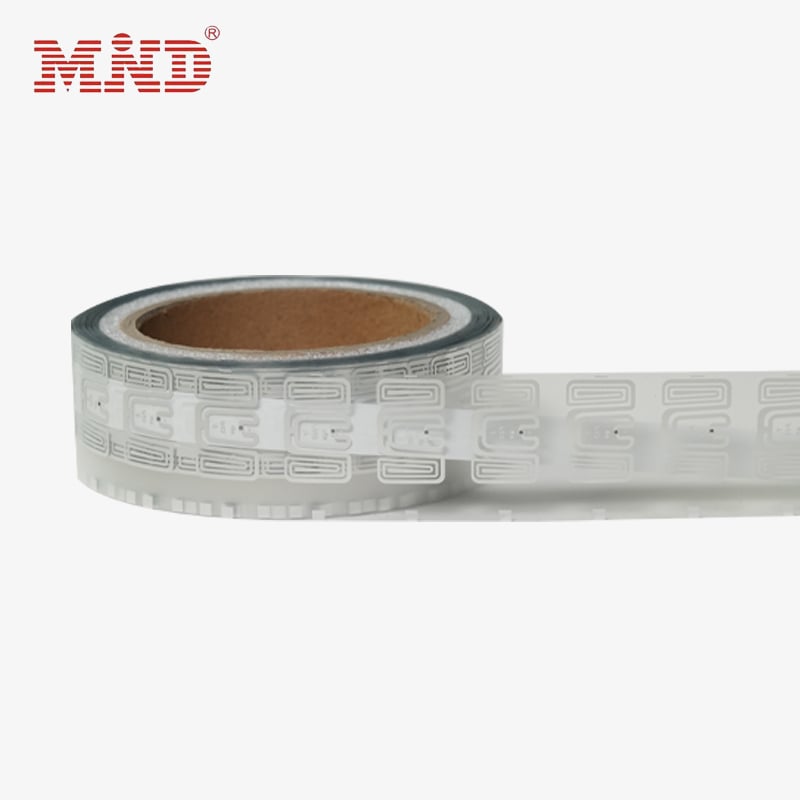
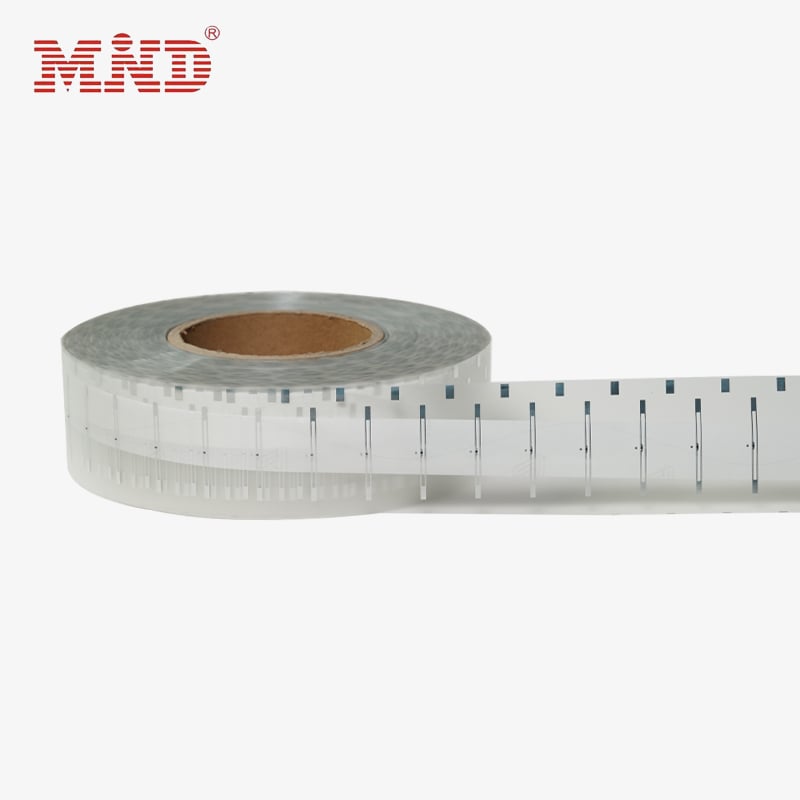
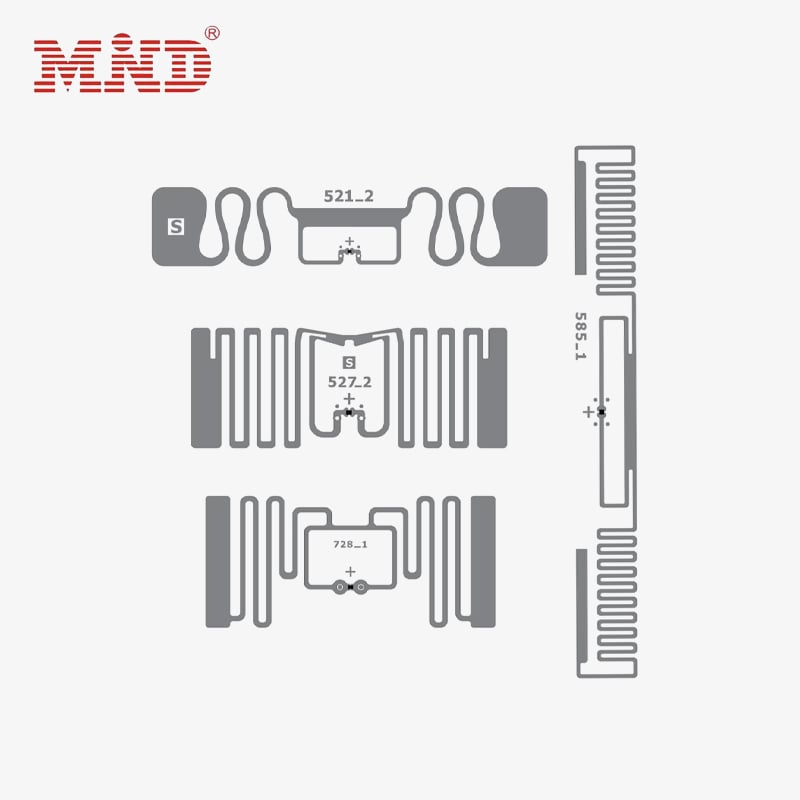
The global retail sector is undergoing a rapid transformation, driven by demands for operational efficiency, personalized customer experiences, and compliance with sustainability mandates. NFC sticker technology has emerged as a pivotal enabler for businesses seeking to bridge physical and digital workflows without overhauling existing infrastructure. Unlike traditional methods requiring complex hardware investments, NFC stickers offer a modular, scalable solution that could seamlessly integrate with retail ecosystems—from inventory management to hyper-targeted marketing.
For businesses with complex supply chains, NFC stickers paired with UHF RFID systems might further enhance traceability. By linking NFC tags to backend databases, retailers could verify product authenticity, monitor expiration dates for perishables, or automate recall processes—critical for industries like pharmaceuticals or luxury goods.
Static pricing models and opaque product information are increasingly inadequate in competitive markets. NFC stickers empower retailers to update pricing or promotional content remotely, responding instantly to demand fluctuations or seasonal campaigns.
Moreover, NFC-driven product authentication is gaining traction. Luxury brands and electronics manufacturers, for instance, might embed tamper-proof NFC stickers to combat counterfeiting. Consumers scanning these tags could view detailed origin information, certifications, or warranty details, fostering trust and reducing return rates linked to counterfeit disputes.
The decline of foot traffic in physical stores has intensified pressure on retailers to convert casual browsers into loyal customers. NFC stickers could serve as silent sales associates, delivering tailored content based on customer interactions.
Interactive displays equipped with NFC tags might trigger AR product demonstrations, loyalty program sign-ups, or exclusive discount offers when scanned. For example, a cosmetics brand could deploy NFC-enabled testers that link to tutorial videos or shade-matching tools, enhancing engagement without requiring staff intervention. Data collected from these interactions—such as dwell time or product preferences—could refine marketing strategies and store layouts.
In the checkout process, NFC stickers embedded in product packaging may enable “tap-and-go” payments, reducing queue times. This frictionless approach could be particularly impactful for retailers targeting tech-savvy demographics or operating in high-footfall environments like airports or stadiums.
For B2B decision-makers, the value of NFC stickers lies in their dual role as operational efficiency tools and customer experience catalysts. By enabling real-time data capture, process automation, and personalized engagement, this technology could help retailers navigate supply chain disruptions, sustainability mandates, and shifting consumer behaviors.
As the retail landscape continues to digitize, businesses that adopt modular, NFC-driven solutions may gain a critical advantage—transforming static operations into agile, data-informed ecosystems. Whether optimizing backend logistics or reimagining front-end interactions, NFC stickers represent a low-risk, high-reward pathway to future-ready retailing.
 Hot News
2024-05-15
2024-05-15
2024-05-15
2024-05-15

Copyright © © Copyright 2024 Chengdu Mind Iot Technology Co., Ltd. All Rights Reserved Privacy policy
 EN
EN